Air Duct Services in Philadelphia, PA
Professional air duct services for your home or business. Request an inspection and discuss the right solution for your system.

Our Air Duct Services


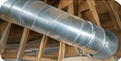


Care for your entire duct system
Start with an inspection to understand the condition of your ducts and the work your system needs.
✓ Supply and return duct assessment
✓ Cleaning and repair options
✓ Clear scope before work begins
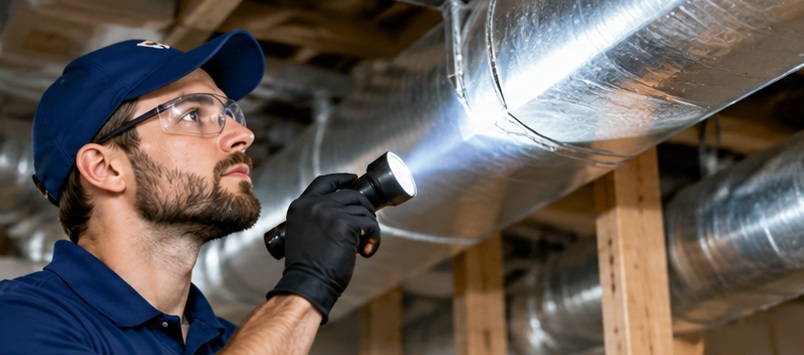
Our Simple 3-Step Process

Request your service
Tell us your location and what your system needs.
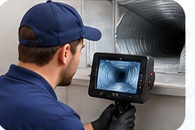
Assess the system
Review the condition and recommended work.
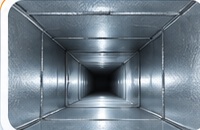
Complete the agreed work
Discuss results and ongoing maintenance.
Air duct service information in Philadelphia, PA
When to consider duct service
Visible debris, damaged ducts or persistent airflow problems can warrant an inspection. A technician can assess the cause before recommending work.
Signs worth paying attention to — Philadelphia, Pennsylvania
Allergy symptoms in Philadelphia, Pennsylvania that ease when the system is off and return when it runs are a pattern worth mentioning when you call. Dust that settles back on furniture within a day or two of cleaning is one of the clearest signs the ductwork in Philadelphia, Pennsylvania is blowing its buildup back into the rooms. A musty smell in Philadelphia, Pennsylvania when the heating or cooling starts up usually means moisture and buildup are meeting somewhere inside the ductwork.
Energy bills in Philadelphia, Pennsylvania creep when the blower works against loaded or leaking ducts, and the duct system is one of the first places that waste hides. Rooms in Philadelphia, Pennsylvania that run noticeably warmer or cooler than the rest of the house are often reporting an airflow problem in the runs that serve them. A vent in Philadelphia, Pennsylvania that barely stirs a tissue held in front of it, while other vents blow normally, marks a run that needs a look.
In Philadelphia, Pennsylvania, signs that arrive together — dust, weak airflow, a smell at startup — usually share one cause inside the system rather than three separate faults. A filter in Philadelphia, Pennsylvania that loads up far faster than it used to can be reporting that the system is pulling air — and dust — from somewhere it should not. Visible dust or dark streaks at the edges of supply vents in Philadelphia, Pennsylvania show that the air arriving in the room is carrying the system with it.
Dust in a newly built or newly renovated home in Philadelphia, Pennsylvania often traces to construction debris left inside the ductwork, which ordinary house cleaning never reaches. In Philadelphia, Pennsylvania, a return grille that whistles or a vent that rattles when the blower starts is describing loose or restricted ductwork in plain language.
What an inspection covers
Discuss accessible supply and return ducts, connections and visible condition with the technician.
Getting started — Philadelphia, Pennsylvania
The registry entry for Philadelphia, Pennsylvania sits among 366 approved Pennsylvania city entries, and the duct questions behind those entries are remarkably consistent from one city to the next. A home in Philadelphia, Pennsylvania may have ductwork in the attic, the crawl space, the basement, or inside the walls, and each layout brings its own access and cleaning topics. Owners in Philadelphia, Pennsylvania who clean their homes often learn to read small signals, like dust streaks at a vent edge or a return grille that whistles, before those signals become comfort problems.
People in Philadelphia, Pennsylvania run their heating and cooling on different rhythms, from near-constant use to a few hours a day, and that pattern shapes how quickly the inside of the ductwork loads up. Keeping ductwork in Philadelphia, Pennsylvania in good shape is mostly a matter of cleaning where buildup has formed, sealing where air leaks out, and repairing where sections have come loose or been crushed. This page gathers the cleaning, inspection, and repair topics that matter for Philadelphia, Pennsylvania, organised from the main trunk outward so each part of the system gets its due.
Duct questions in Philadelphia, Pennsylvania tend to cluster around the same themes: dust that returns too fast, vents that blow weakly, and runs that were sealed poorly when the house was built. For a household in Philadelphia, Pennsylvania, good duct care starts with understanding what the system collects over time: dust, lint, pollen, and debris drawn in at the returns and settled along the runs. The ductwork at a home in Philadelphia, Pennsylvania is a connected network — the main trunk, the branch runs, the supply vents, and the returns — and buildup in one part affects airflow through all the others.
What happens inside ductwork in Philadelphia, Pennsylvania is airflow physics as much as housekeeping: air takes the easiest path, and every leak, bend, and layer of buildup changes the path it takes.
Cleaning and preparation
Clear access to registers and equipment. Ask which components are included and how debris will be contained.
Cleaning in depth — Philadelphia, Pennsylvania
The brushes used in Philadelphia, Pennsylvania travel the branch runs and the trunk while the negative-air machine pulls what they loosen toward the sealed connection, so loosened dust leaves the system instead of resettling in it. The work in Philadelphia, Pennsylvania ends with the vents resealed and the homeowner shown the before-and-after camera views, including anything that points toward repair. The return side in a Philadelphia, Pennsylvania home usually carries the heaviest load, because returns draw room air — and everything floating in it — back toward the system.
What comes out of a system in Philadelphia, Pennsylvania tells a story: fine grey dust points to ordinary buildup, while sawdust and offcuts point to renovation debris that was never cleared. The camera inspection in Philadelphia, Pennsylvania runs before and after the cleaning, so what was inside the ducts and what the cleaning removed can both be seen rather than assumed. A home in Philadelphia, Pennsylvania with pets loads its ductwork faster, because hair and dander ride the return air and settle where the air slows down.
For long trunk runs in Philadelphia, Pennsylvania, cleaning works section by section so suction is maintained through the part being brushed at each step. In Philadelphia, Pennsylvania, the amount of dust and debris inside ductwork depends on the age of the home, whether renovation work has been done, and how regularly filters have been changed. Buildup collects hardest in Philadelphia, Pennsylvania at the bottom of vertical runs, at bends, and just past the blower, and those are the points a thorough cleaning reaches.
Ductwork in Philadelphia, Pennsylvania that has never been cleaned can hold construction debris from the day the house was built alongside years of ordinary dust. A cleaning visit in Philadelphia, Pennsylvania works through every supply and return vent in the home, not only the vents that are easy to reach. Filter habits matter in Philadelphia, Pennsylvania: a clean filter protects the blower and slows how fast the ductwork loads up again after a cleaning.
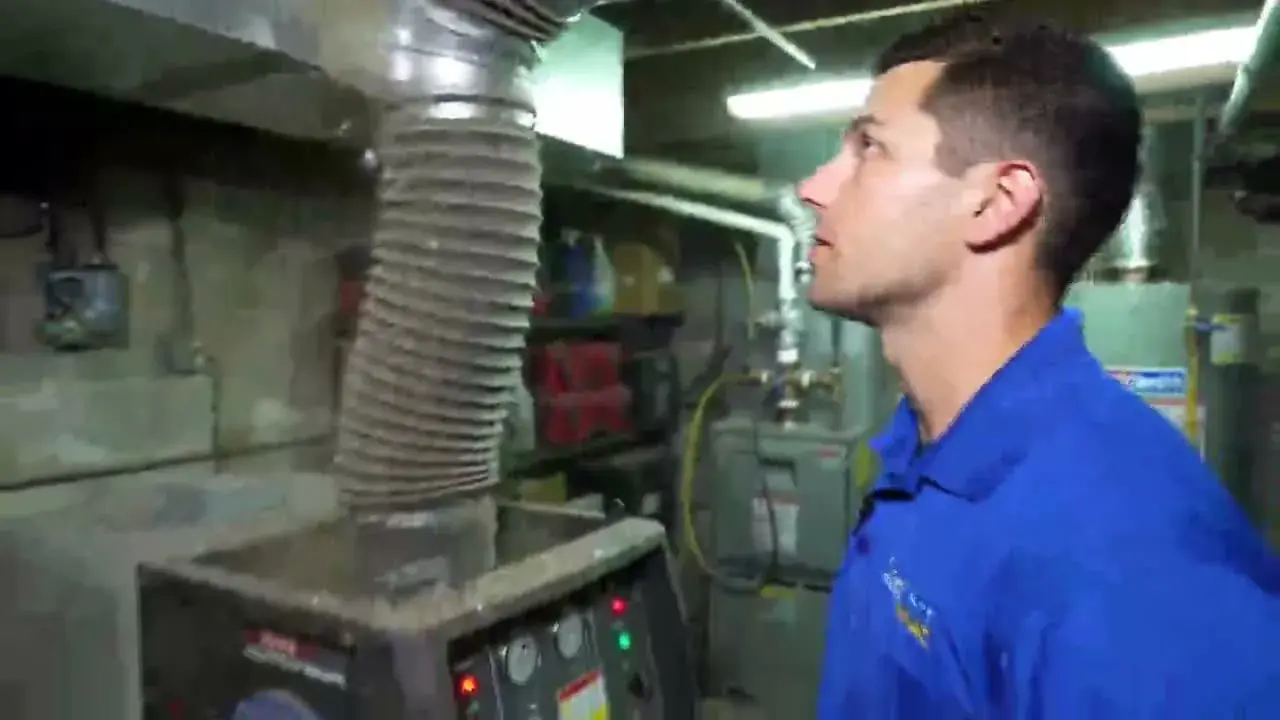
Air duct cleaning cleans the full system: the negative-air machine is sealed onto the main trunk duct, every supply and return vent is brushed under suction, and the system is inspected on camera before and after so the result can be seen. Homeowners in Philadelphia, Pennsylvania meet the same point during real visits. Cleaning in Philadelphia, Pennsylvania also means looking while the work happens: loose joints, crushed flex runs, and sections that were never sealed are noted as they appear. Cleaning in Philadelphia, Pennsylvania centres on the negative-air machine, sealed onto the main trunk duct so the whole system is held under suction while the work proceeds.
Repair and sealing
Loose connections or damaged sections may require repair rather than cleaning alone.
Repair in depth — Philadelphia, Pennsylvania
Disconnected ductwork in Philadelphia, Pennsylvania, found most often in attics and crawl spaces, pours heated or cooled air into spaces nobody lives in until the run is reconnected and sealed. Repair sequencing in Philadelphia, Pennsylvania matters: leaks are sealed before airflow is judged, or a sound system can be condemned for air that never reached the vents. A trunk line in Philadelphia, Pennsylvania that was never sealed at its takeoffs can lose air at every branch, and sealing the takeoffs is often the single most effective repair in the system.
Returns in Philadelphia, Pennsylvania that pull air from wall cavities instead of the room are a repair topic: the return path is rebuilt so the system breathes from the rooms it serves. Crushed or kinked flex duct in Philadelphia, Pennsylvania chokes the run it serves, and replacing the damaged section restores the airflow the room was built to receive. Air duct repair covers loose joints, crushed or disconnected sections, and damaged runs. In Philadelphia, Pennsylvania, the observation is recorded the same way.
Duct sealing in Philadelphia, Pennsylvania closes the gaps at joints and seams where air escapes, which is repair work with a measurable result at the vents. The finding is shown to the homeowner on camera before any repair is discussed. That is how the topic presents in Philadelphia, Pennsylvania. A noisy vent in Philadelphia, Pennsylvania — whistling, rattling, or booming when the blower starts — often traces to a loose section or an abrupt fitting that repair can correct.
Water staining around a duct run in Philadelphia, Pennsylvania usually points at condensation on an uninsulated section, and insulating that section is the repair that stops it. Where ductwork in Philadelphia, Pennsylvania is too damaged, too small for the home, or routed so poorly it cannot serve its rooms, the repair conversation turns to replacement options and what each involves. A vent in Philadelphia, Pennsylvania that blows weakly while its neighbours blow strongly is reporting a local problem — a crushed run, a closed or broken damper, or a disconnected branch — rather than a system problem.
A duct section in a Philadelphia, Pennsylvania home that has come loose at a joint leaks conditioned air into the attic or crawl space, and reseating and sealing it is a defined repair. Registers and grilles in Philadelphia, Pennsylvania that are broken, painted shut, or missing their dampers are small repairs that change how a room feels out of proportion to their size. Insulation on duct runs in Philadelphia, Pennsylvania that has fallen away or been torn leaves the metal exposed to temperature swings, and re-insulating the run is repair work, not an extra.
Repair in Philadelphia, Pennsylvania does not mean replacement by default; most visits resolve into one section — a joint, a run, a takeoff — restored and sealed.
Residential and commercial requests
Describe your building type, system and access requirements when requesting an estimate.
How the services fit together — Philadelphia, Pennsylvania
Cleaning and repair in Philadelphia, Pennsylvania answer different questions: cleaning asks what has accumulated inside the system, repair asks what has leaked, loosened, or been crushed. Neither service in Philadelphia, Pennsylvania is a substitute for the other, and a well-run visit says plainly when only one of them is needed. Air Duct Cleaning in Philadelphia, Pennsylvania deals with buildup and airflow, while Air Duct Repair deals with sections, joints, and seals, and confusing the two leads to the wrong scope.
A homeowner in Philadelphia, Pennsylvania choosing between the services can start from the symptom — dust and stale air suggest cleaning and inspection, while weak airflow and uneven rooms suggest sealing or repair. The order of operations in Philadelphia, Pennsylvania is deliberate: inspect on camera, clean, look again, and only then define repair on surfaces that can actually be seen. For Philadelphia, Pennsylvania, the practical difference is time and scope: cleaning is measured in buildup removed, repair in sections restored and sealed.
All of the services described on this page are recorded for Philadelphia, Pennsylvania in the same registry entry, from inspection through installation and replacement. A duct system in Philadelphia, Pennsylvania may need only cleaning in one year and a defined sealing or repair job in another, and the camera inspection is what separates the two.
Questions homeowners ask — Philadelphia, Pennsylvania
In Philadelphia, Pennsylvania, people ask whether a store-bought vent cover or filter upgrade replaces cleaning, and those help at the edges without reaching the buildup inside the trunk. Owners in Philadelphia, Pennsylvania ask what records they should keep, and the answer is the visit summary itself, filed with the home's other service records. Another question in Philadelphia, Pennsylvania concerns cost, and the standing answer is that free estimates are offered so the scope is described from findings, not from a phone guess.
A common question in Philadelphia, Pennsylvania is why one room never matches the thermostat, which usually points to the runs serving that room rather than to the thermostat itself. Homeowners in Philadelphia, Pennsylvania ask how long a visit takes, and the truthful answer is that it depends on access, buildup, and what the inspection finds. People in Philadelphia, Pennsylvania ask what a camera inspection involves, and the short answer is that the camera travels the trunk and the accessible branches so the condition inside is seen, not guessed.
Homeowners in Philadelphia, Pennsylvania often ask how often cleaning is needed, and the honest answer depends on the home, the household, and what the camera finds inside the system. In Philadelphia, Pennsylvania, the difference between a cleaning and an inspection is a fair question: cleaning removes buildup, inspection evaluates condition, and the two are usually combined.
Scheduling and service availability
Enter your ZIP code and requested service so coverage and appointment availability can be confirmed.
How a visit proceeds — Philadelphia, Pennsylvania
Findings in Philadelphia, Pennsylvania are described in plain terms at the time they are found, not translated into jargon at the end of the visit. During a visit in Philadelphia, Pennsylvania, the vents are resealed as each one is finished, so the system is left closed and tidy rather than open. Scheduling in Philadelphia, Pennsylvania starts with a phone call, and the number on this page, (888) 248-0122, is the number to use.
The closing step in Philadelphia, Pennsylvania is a summary: what was done, what was found, and what, if anything, deserves attention next season. Work in Philadelphia, Pennsylvania is scoped to the duct system itself — the trunk, the branches, the vents, and the returns that serve the home. Cleaning and inspection in Philadelphia, Pennsylvania inform each other: the ducts are examined on camera before the work and again after, when the buildup no longer hides the surfaces.
If repair is needed in Philadelphia, Pennsylvania, the specific section, its condition, and the proposed work are identified before any commitment is made. The negative-air machine in Philadelphia, Pennsylvania is sealed onto the main trunk duct before brushing begins, so the system is under suction for the whole clean. A visit in Philadelphia, Pennsylvania starts with questions: what the homeowner has noticed, which rooms feel wrong, and when the dust or the airflow last seemed normal.
A homeowner in Philadelphia, Pennsylvania can ask for free estimates before deciding how to proceed with any repair that an inspection identifies. Photographs from the camera inspection in Philadelphia, Pennsylvania help the conversation, because buildup, a loose joint, or a crushed run is easier to discuss when it can be seen.
Planning the work — Philadelphia, Pennsylvania
Access is worth thinking about in Philadelphia, Pennsylvania: the attic hatch, the crawl-space entry, and the path to the air handler all shape how the visit runs. For a building in Philadelphia, Pennsylvania with more than one system, each duct network has its own runs and its own condition, so each is assessed on its own record. Keeping records for a Philadelphia, Pennsylvania duct system — visit dates, findings, work done — turns each future visit into a comparison instead of a fresh guess.
A homeowner in Philadelphia, Pennsylvania weighing repair options can ask for free estimates and compare the scope of work each one describes. Planning duct work in Philadelphia, Pennsylvania starts with deciding whether the need is cleaning, sealing, repair, or information — and a camera inspection answers that honestly. Budget conversations in Philadelphia, Pennsylvania stay grounded when they are tied to named sections and named conditions rather than general impressions.
The registry entry for Philadelphia, Pennsylvania says nothing about an individual duct system; planning starts from the actual ductwork in the actual home. Questions prepared in advance — what was found, what it affects, what happens if it waits — make a Philadelphia, Pennsylvania visit more useful. If ductwork in Philadelphia, Pennsylvania is part of a home sale, its documented condition becomes part of the transaction, and a clear camera record serves both sides.
Timing work in Philadelphia, Pennsylvania between the heavy heating and cooling seasons lets the system be opened up without leaving the house without air for long.
Coverage in the registry — Philadelphia, Pennsylvania
Each ZIP row under Philadelphia in the registry, including the row for the city row, points back to the same city entry and the same services described on this page. Within Pennsylvania, the registry covers 366 cities and 489 ZIP-code entries, and Philadelphia appears in that list with its own full set of ZIP codes. ZIP codes recorded for Philadelphia include 19142, 19143, 19144, 19145, 19146, and 19147, and each of those codes identifies a distinct part of the city in the registry.
Alphabetically, Philadelphia sits between Perryopolis and Phoenixville in the Pennsylvania section of the registry, a reminder of how many separate communities the list covers. The Pennsylvania registry also reaches Yukon, Zelienople, and Zieglerville, so the coverage pattern around Philadelphia is part of a much wider state list. A reader comparing entries will notice that Philadelphia has 50 ZIP codes in the registry while some smaller Pennsylvania towns carry only one.
Other Pennsylvania communities in the same registry include Yukon, Zelienople, and Zieglerville, each with its own city and ZIP pages built from the same source data. Because the registry is the source, the ZIP codes named for Philadelphia on this page — 19142, 19143, 19144, 19145, 19146, and 19147 — are the approved codes and no others are implied. Neighbouring entries in the alphabetical Pennsylvania list, Perryopolis on one side and Phoenixville on the other, have their own pages built the same way from their own rows.
The registry treats Philadelphia as one entry among 366 in Pennsylvania, with 50 ZIP rows attached to the city name. For Philadelphia, Pennsylvania, the underlying record is a registry row, not an estimate: the city, the state, and the ZIP set are exactly the values the approved list carries. The approved registry lists 50 ZIP codes for Philadelphia, and Philadelphia, Pennsylvania is one of the entries carried for the city.
In summary — Philadelphia, Pennsylvania
To ask about an appointment in Philadelphia, Pennsylvania, call (888) 248-0122 and describe what you have noticed; that description is where every good visit starts. Nothing on this page for Philadelphia, Pennsylvania goes beyond the registry record and the approved service material, and that restraint is deliberate. A duct system in Philadelphia, Pennsylvania that is inspected, cleaned, and sealed on evidence rather than habit will move air the way it was built to, season after season.
Other Pennsylvania readers will find the same structure on the pages for Yukon, Zelienople, and Zieglerville, with their own registry facts in place of the ones given here. Homeowners in Philadelphia, Pennsylvania can request free estimates before any duct work is scheduled. The registry facts on this page — Philadelphia, Pennsylvania, and ZIP codes 19142, 19143, 19144, 19145, 19146, and 19147 — are the local facts, and they are stated exactly as recorded.
ZIP codes served in Philadelphia, Pennsylvania
19102, 19103, 19104, 19106, 19107, 19109, 19110, 19111, 19112, 19113, 19114, 19115, 19116, 19118, 19119, 19120, 19121, 19122, 19123, 19124, 19125, 19126, 19127, 19128, 19129, 19130, 19131, 19132, 19133, 19134, 19135, 19136, 19137, 19138, 19139, 19140, 19141, 19142, 19143, 19144, 19145, 19146, 19147, 19148, 19149, 19150, 19151, 19152, 19153, 19154
Find Air Duct Aid Near You
Enter your ZIP code to request local service availability.
Check availability →Our Service Areas
Air Duct Care Resources
Signs your air ducts may need attention
Visible debris at registers, damaged duct connections or persistent airflow issues may justify an inspection. Ask a technician to identify the cause before choosing a service.
Understanding duct cleaning and indoor air
Duct cleaning removes accumulated material from accessible ductwork. It is not a guaranteed solution for allergies or indoor air quality problems. Address moisture, filtration and ventilation as well.
Simple air duct care tips
Keep registers unobstructed, replace filters according to equipment instructions and arrange an inspection if you notice damage or unusual airflow.
Looking after the duct system — Philadelphia, Pennsylvania
Homeowners in Philadelphia, Pennsylvania who notice a change after a roof leak or a plumbing leak near ductwork are seeing a maintenance trigger: moisture inside a duct run should not wait. Rental and multi-unit buildings in Philadelphia, Pennsylvania carry the same dust physics as single homes, multiplied by the number of systems on the property. Large households in Philadelphia, Pennsylvania, and homes with several pets, load the system faster and may choose a shorter interval between cleanings.
The seasonal rhythm suits most homes in Philadelphia, Pennsylvania: a camera look when the system changes over between heating and cooling catches problems while they are small. A home in Philadelphia, Pennsylvania that has had renovation work done deserves a duct look afterwards, because construction dust travels the returns no matter how carefully the work area was sheeted. Maintenance in Philadelphia, Pennsylvania is mostly observation — the system announces most of its needs early, in dust, airflow, and smell, to an owner who knows the signs.
A written note of what was found at each visit gives a Philadelphia, Pennsylvania household a history, and histories make later decisions easier. Vacuuming vent faces and return grilles in Philadelphia, Pennsylvania keeps the visible ends of the system clear, even though the deep cleaning happens inside the runs. In Philadelphia, Pennsylvania, keeping furniture and rugs from covering floor vents makes the airflow the system was built for actually reach the rooms.
In Philadelphia, Pennsylvania, the attic and crawl-space runs weather fastest, so their insulation and joints deserve a glance whenever those spaces are entered for other reasons. Keeping supply and return vents in Philadelphia, Pennsylvania unblocked and open — including the ones in little-used rooms — keeps the system's air balance where it was designed to be.
Frequently Asked Questions
How often should air ducts be cleaned?
There is no universal cleaning interval. Arrange an inspection when there is visible buildup, contamination or a suspected duct problem.
What are the signs my air ducts need cleaning?
Visible debris, evidence of pests or suspected contamination may warrant inspection. Airflow problems can also have other causes.
How long does air duct cleaning take?
The negative-air machine is sealed onto the main trunk duct, every supply and return vent is brushed under suction, the system is inspected on camera before and after, and the vents are resealed at the end.
What does air duct cleaning include?
The scope depends on the system and inspection findings. Confirm which supply ducts, return ducts and accessible components are included before work begins.
Do you offer air duct repair and replacement?
Yes. Request an assessment to determine whether repair, sealing or replacement is appropriate.
Do you service residential and commercial properties?
We accept requests for both residential and commercial duct services. Availability and scope are confirmed before scheduling.
Is same-day service available?
Availability depends on your location and scheduling. Call to check current options.
How do I request a free estimate?
Call (888) 248-0122 or complete either estimate form with your ZIP code and requested service.
How do I ask about an appointment in Philadelphia, Pennsylvania?
Call (888) 248-0122 or send the estimate form on this page and describe what you have noticed — dust blowing back out, weak airflow at a vent, or a musty smell when the system starts are the details that help most.
Which ZIP codes does the registry list for Philadelphia?
The approved registry lists 50 ZIP codes for Philadelphia, including 19127, 19128, 19129, 19130, 19131, and 19132.
What are the signs ductwork needs attention?
Dust settling back soon after cleaning, visible dust at vent edges, rooms that run warmer or cooler than the rest of the house, and a musty smell when the heating or cooling starts are the common signs.
Do you offer free estimates?
Yes, free estimates are available before any work is scheduled.
Ready to schedule your air duct service?
Tell us what you need and request an estimate.