Air Duct Services in San Antonio, TX
Professional air duct services for your home or business. Request an inspection and discuss the right solution for your system.

Our Air Duct Services







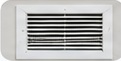



Care for your entire duct system
Start with an inspection to understand the condition of your ducts and the work your system needs.
✓ Supply and return duct assessment
✓ Cleaning and repair options
✓ Clear scope before work begins

Our Simple 3-Step Process

Request your service
Tell us your location and what your system needs.
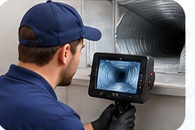
Assess the system
Review the condition and recommended work.
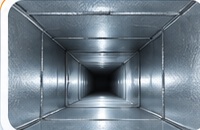
Complete the agreed work
Discuss results and ongoing maintenance.
Air duct service information in San Antonio, TX
When to consider duct service
Visible debris, damaged ducts or persistent airflow problems can warrant an inspection. A technician can assess the cause before recommending work.
Signs worth paying attention to — San Antonio, Texas
A vent in San Antonio, Texas that barely stirs a tissue held in front of it, while other vents blow normally, marks a run that needs a look. In San Antonio, Texas, signs that arrive together — dust, weak airflow, a smell at startup — usually share one cause inside the system rather than three separate faults. Rooms in San Antonio, Texas that run noticeably warmer or cooler than the rest of the house are often reporting an airflow problem in the runs that serve them.
Dust that settles back on furniture within a day or two of cleaning is one of the clearest signs the ductwork in San Antonio, Texas is blowing its buildup back into the rooms. Allergy symptoms in San Antonio, Texas that ease when the system is off and return when it runs are a pattern worth mentioning when you call. The registers in San Antonio, Texas can look clean while the trunk is loaded, because what settles deep in the system only shows when the camera goes in.
In San Antonio, Texas, a return grille that whistles or a vent that rattles when the blower starts is describing loose or restricted ductwork in plain language. A musty smell in San Antonio, Texas when the heating or cooling starts up usually means moisture and buildup are meeting somewhere inside the ductwork. Dust in a newly built or newly renovated home in San Antonio, Texas often traces to construction debris left inside the ductwork, which ordinary house cleaning never reaches.
Visible dust or dark streaks at the edges of supply vents in San Antonio, Texas show that the air arriving in the room is carrying the system with it. A filter in San Antonio, Texas that loads up far faster than it used to can be reporting that the system is pulling air — and dust — from somewhere it should not.
What an inspection covers
Discuss accessible supply and return ducts, connections and visible condition with the technician.
Getting started — San Antonio, Texas
People in San Antonio, Texas run their heating and cooling on different rhythms, from near-constant use to a few hours a day, and that pattern shapes how quickly the inside of the ductwork loads up. Duct questions in San Antonio, Texas tend to cluster around the same themes: dust that returns too fast, vents that blow weakly, and runs that were sealed poorly when the house was built. The starting point for any work in San Antonio, Texas is a clear look inside the system on camera, because a symptom in one room often traces back to a trunk or branch several feet away.
The registry entry for San Antonio, Texas sits among 274 approved Texas city entries, and the duct questions behind those entries are remarkably consistent from one city to the next. The duct system in a home in San Antonio, Texas is the path every breath of heated or cooled air travels, moving through supply vents into the rooms and back through the returns to the blower. Homeowners in San Antonio, Texas usually think about their ducts when dust keeps settling on furniture, when a room never quite reaches the temperature set for it, or when the air smells stale with the system running.
What happens inside ductwork in San Antonio, Texas is airflow physics as much as housekeeping: air takes the easiest path, and every leak, bend, and layer of buildup changes the path it takes. This page gathers the cleaning, inspection, and repair topics that matter for San Antonio, Texas, organised from the main trunk outward so each part of the system gets its due. Keeping ductwork in San Antonio, Texas in good shape is mostly a matter of cleaning where buildup has formed, sealing where air leaks out, and repairing where sections have come loose or been crushed.
A home in San Antonio, Texas may have ductwork in the attic, the crawl space, the basement, or inside the walls, and each layout brings its own access and cleaning topics.
Cleaning and preparation
Clear access to registers and equipment. Ask which components are included and how debris will be contained.
Cleaning in depth — San Antonio, Texas
Buildup collects hardest in San Antonio, Texas at the bottom of vertical runs, at bends, and just past the blower, and those are the points a thorough cleaning reaches. The return side in a San Antonio, Texas home usually carries the heaviest load, because returns draw room air — and everything floating in it — back toward the system. Cleaning in San Antonio, Texas is the natural partner of inspection, because a clean duct can be assessed honestly and a loaded one hides its defects behind the buildup.
In San Antonio, Texas, the amount of dust and debris inside ductwork depends on the age of the home, whether renovation work has been done, and how regularly filters have been changed. The camera inspection in San Antonio, Texas runs before and after the cleaning, so what was inside the ducts and what the cleaning removed can both be seen rather than assumed. Air duct cleaning cleans the full system: the negative-air machine is sealed onto the main trunk duct, every supply and return vent is brushed under suction, and the system is inspected on camera before and after so the result can be seen. The point applies in San Antonio, Texas exactly as described.
Filter habits matter in San Antonio, Texas: a clean filter protects the blower and slows how fast the ductwork loads up again after a cleaning. The work in San Antonio, Texas ends with the vents resealed and the homeowner shown the before-and-after camera views, including anything that points toward repair. What comes out of a system in San Antonio, Texas tells a story: fine grey dust points to ordinary buildup, while sawdust and offcuts point to renovation debris that was never cleared.
Cleaning in San Antonio, Texas also means looking while the work happens: loose joints, crushed flex runs, and sections that were never sealed are noted as they appear. A cleaning visit in San Antonio, Texas works through every supply and return vent in the home, not only the vents that are easy to reach. After cleaning in San Antonio, Texas, the difference shows at the vents: air moves without carrying visible dust, and surfaces stay cleaner for longer after ordinary house cleaning.
Cleaning in San Antonio, Texas centres on the negative-air machine, sealed onto the main trunk duct so the whole system is held under suction while the work proceeds. A home in San Antonio, Texas with pets loads its ductwork faster, because hair and dander ride the return air and settle where the air slows down. The brushes used in San Antonio, Texas travel the branch runs and the trunk while the negative-air machine pulls what they loosen toward the sealed connection, so loosened dust leaves the system instead of resettling in it.
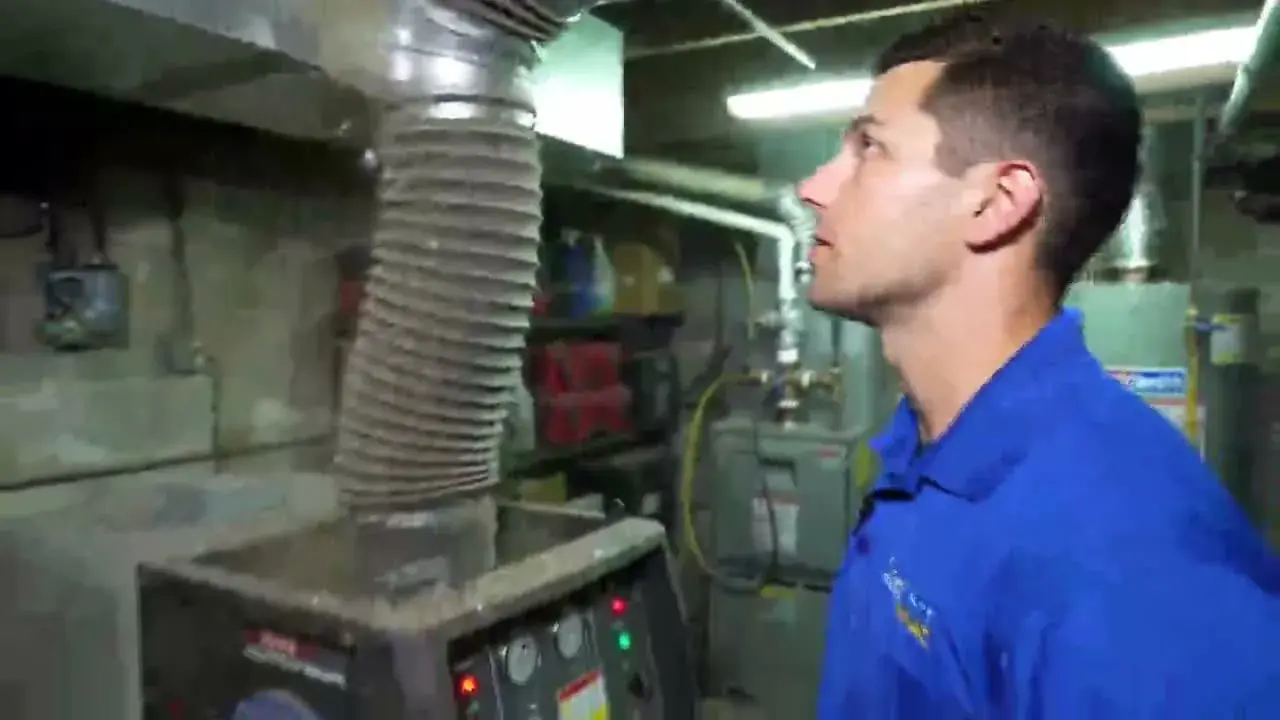
Repair and sealing
Loose connections or damaged sections may require repair rather than cleaning alone.
Repair in depth — San Antonio, Texas
Repair in San Antonio, Texas begins with identifying the section at fault, because weak airflow, dust at the vents, and uneven room temperatures can each trace to a different point in the network. A noisy vent in San Antonio, Texas — whistling, rattling, or booming when the blower starts — often traces to a loose section or an abrupt fitting that repair can correct. The finding is shown to the homeowner on camera before any repair is discussed. That is how the topic presents in San Antonio, Texas.
Where ductwork in San Antonio, Texas is too damaged, too small for the home, or routed so poorly it cannot serve its rooms, the repair conversation turns to replacement options and what each involves. Water staining around a duct run in San Antonio, Texas usually points at condensation on an uninsulated section, and insulating that section is the repair that stops it. Air duct repair covers loose joints, crushed or disconnected sections, and damaged runs. Homeowners in San Antonio, Texas meet the same point during real visits.
Disconnected ductwork in San Antonio, Texas, found most often in attics and crawl spaces, pours heated or cooled air into spaces nobody lives in until the run is reconnected and sealed. A duct section in a San Antonio, Texas home that has come loose at a joint leaks conditioned air into the attic or crawl space, and reseating and sealing it is a defined repair. Returns in San Antonio, Texas that pull air from wall cavities instead of the room are a repair topic: the return path is rebuilt so the system breathes from the rooms it serves.
A trunk line in San Antonio, Texas that was never sealed at its takeoffs can lose air at every branch, and sealing the takeoffs is often the single most effective repair in the system. A vent in San Antonio, Texas that blows weakly while its neighbours blow strongly is reporting a local problem — a crushed run, a closed or broken damper, or a disconnected branch — rather than a system problem. Crushed or kinked flex duct in San Antonio, Texas chokes the run it serves, and replacing the damaged section restores the airflow the room was built to receive.
Repair sequencing in San Antonio, Texas matters: leaks are sealed before airflow is judged, or a sound system can be condemned for air that never reached the vents. Repair in San Antonio, Texas does not mean replacement by default; most visits resolve into one section — a joint, a run, a takeoff — restored and sealed. Registers and grilles in San Antonio, Texas that are broken, painted shut, or missing their dampers are small repairs that change how a room feels out of proportion to their size.
Duct sealing in San Antonio, Texas closes the gaps at joints and seams where air escapes, which is repair work with a measurable result at the vents.
Residential and commercial requests
Describe your building type, system and access requirements when requesting an estimate.
How the services fit together — San Antonio, Texas
For San Antonio, Texas, the practical difference is time and scope: cleaning is measured in buildup removed, repair in sections restored and sealed. A duct system in San Antonio, Texas may need only cleaning in one year and a defined sealing or repair job in another, and the camera inspection is what separates the two. Neither service in San Antonio, Texas is a substitute for the other, and a well-run visit says plainly when only one of them is needed.
Cleaning and repair in San Antonio, Texas answer different questions: cleaning asks what has accumulated inside the system, repair asks what has leaked, loosened, or been crushed. A homeowner in San Antonio, Texas choosing between the services can start from the symptom — dust and stale air suggest cleaning and inspection, while weak airflow and uneven rooms suggest sealing or repair. The order of operations in San Antonio, Texas is deliberate: inspect on camera, clean, look again, and only then define repair on surfaces that can actually be seen.
Some visits in San Antonio, Texas are cleaning visits that end with a repair recommendation, and that sequence is normal rather than a sales pattern. Air Duct Cleaning in San Antonio, Texas deals with buildup and airflow, while Air Duct Repair deals with sections, joints, and seals, and confusing the two leads to the wrong scope.
Questions homeowners ask — San Antonio, Texas
A common question in San Antonio, Texas is why one room never matches the thermostat, which usually points to the runs serving that room rather than to the thermostat itself. Another question in San Antonio, Texas is whether the system can be used before a known duct defect is repaired, and the answer depends on which section is defective. In San Antonio, Texas, the difference between a cleaning and an inspection is a fair question: cleaning removes buildup, inspection evaluates condition, and the two are usually combined.
In San Antonio, Texas, people ask whether a store-bought vent cover or filter upgrade replaces cleaning, and those help at the edges without reaching the buildup inside the trunk. Owners in San Antonio, Texas ask what records they should keep, and the answer is the visit summary itself, filed with the home's other service records. Homeowners in San Antonio, Texas often ask how often cleaning is needed, and the honest answer depends on the home, the household, and what the camera finds inside the system.
Another question in San Antonio, Texas concerns cost, and the standing answer is that free estimates are offered so the scope is described from findings, not from a phone guess. Homeowners in San Antonio, Texas ask how long a visit takes, and the truthful answer is that it depends on access, buildup, and what the inspection finds.
Scheduling and service availability
Enter your ZIP code and requested service so coverage and appointment availability can be confirmed.
How a visit proceeds — San Antonio, Texas
Scheduling in San Antonio, Texas starts with a phone call, and the number on this page, (888) 248-0122, is the number to use. A visit in San Antonio, Texas starts with questions: what the homeowner has noticed, which rooms feel wrong, and when the dust or the airflow last seemed normal. The negative-air machine in San Antonio, Texas is sealed onto the main trunk duct before brushing begins, so the system is under suction for the whole clean.
A homeowner in San Antonio, Texas can ask for free estimates before deciding how to proceed with any repair that an inspection identifies. During a visit in San Antonio, Texas, the vents are resealed as each one is finished, so the system is left closed and tidy rather than open. Photographs from the camera inspection in San Antonio, Texas help the conversation, because buildup, a loose joint, or a crushed run is easier to discuss when it can be seen.
If repair is needed in San Antonio, Texas, the specific section, its condition, and the proposed work are identified before any commitment is made. The closing step in San Antonio, Texas is a summary: what was done, what was found, and what, if anything, deserves attention next season. In San Antonio, Texas, the camera inspection comes first, so the condition inside the trunk and the branches is seen before any cleaning or repair is scoped.
Findings in San Antonio, Texas are described in plain terms at the time they are found, not translated into jargon at the end of the visit. Cleaning and inspection in San Antonio, Texas inform each other: the ducts are examined on camera before the work and again after, when the buildup no longer hides the surfaces.
Planning the work — San Antonio, Texas
A homeowner in San Antonio, Texas weighing repair options can ask for free estimates and compare the scope of work each one describes. Access is worth thinking about in San Antonio, Texas: the attic hatch, the crawl-space entry, and the path to the air handler all shape how the visit runs. Owners in San Antonio, Texas who run their systems nearly year-round plan differently from seasonal users, and saying so shapes sensible recommendations.
Budget conversations in San Antonio, Texas stay grounded when they are tied to named sections and named conditions rather than general impressions. For a building in San Antonio, Texas with more than one system, each duct network has its own runs and its own condition, so each is assessed on its own record. Planning duct work in San Antonio, Texas starts with deciding whether the need is cleaning, sealing, repair, or information — and a camera inspection answers that honestly.
Questions prepared in advance — what was found, what it affects, what happens if it waits — make a San Antonio, Texas visit more useful. Timing work in San Antonio, Texas between the heavy heating and cooling seasons lets the system be opened up without leaving the house without air for long. Keeping records for a San Antonio, Texas duct system — visit dates, findings, work done — turns each future visit into a comparison instead of a fresh guess.
If ductwork in San Antonio, Texas is part of a home sale, its documented condition becomes part of the transaction, and a clear camera record serves both sides.
Coverage in the registry — San Antonio, Texas
Each ZIP row under San Antonio in the registry, including the row for the city row, points back to the same city entry and the same services described on this page. A reader comparing entries will notice that San Antonio has 65 ZIP codes in the registry while some smaller Texas towns carry only one. Other Texas communities in the same registry include Bulverde, Burleson, and Carrollton, each with its own city and ZIP pages built from the same source data.
The approved registry lists 65 ZIP codes for San Antonio, and San Antonio, Texas is one of the entries carried for the city. ZIP codes recorded for San Antonio include 78240, 78241, 78242, 78243, 78244, and 78245, and each of those codes identifies a distinct part of the city in the registry. The Texas registry also reaches Bulverde, Burleson, and Carrollton, so the coverage pattern around San Antonio is part of a much wider state list.
Counting only the ZIP rows, Texas contributes 736 entries to the registry, and the San Antonio rows form a small but complete slice of that total. The registry treats San Antonio as one entry among 274 in Texas, with 65 ZIP rows attached to the city name. Alphabetically, San Antonio sits between Saginaw and Sanctuary in the Texas section of the registry, a reminder of how many separate communities the list covers.
Neighbouring entries in the alphabetical Texas list, Saginaw on one side and Sanctuary on the other, have their own pages built the same way from their own rows. Because the registry is the source, the ZIP codes named for San Antonio on this page — 78240, 78241, 78242, 78243, 78244, and 78245 — are the approved codes and no others are implied. Within Texas, the registry covers 274 cities and 736 ZIP-code entries, and San Antonio appears in that list with its own full set of ZIP codes.
In summary — San Antonio, Texas
For San Antonio, Texas, we are local and we provide grade a cleaning and repair services — that is the whole of the promise, stated plainly. Other Texas readers will find the same structure on the pages for Bulverde, Burleson, and Carrollton, with their own registry facts in place of the ones given here. The registry facts on this page — San Antonio, Texas, and ZIP codes 78240, 78241, 78242, 78243, 78244, and 78245 — are the local facts, and they are stated exactly as recorded.
In San Antonio, Texas, we are a 5-star review company, and the way we keep that standing is by describing findings honestly and doing the work described. A duct system in San Antonio, Texas that is inspected, cleaned, and sealed on evidence rather than habit will move air the way it was built to, season after season. Homeowners in San Antonio, Texas can request free estimates before any duct work is scheduled.
ZIP codes served in San Antonio, Texas
78201, 78202, 78203, 78204, 78205, 78206, 78207, 78208, 78209, 78210, 78211, 78212, 78213, 78214, 78215, 78216, 78217, 78218, 78219, 78220, 78221, 78222, 78223, 78224, 78225, 78226, 78227, 78228, 78229, 78230, 78231, 78232, 78233, 78234, 78235, 78236, 78237, 78238, 78239, 78240, 78241, 78242, 78243, 78244, 78245, 78247, 78248, 78249, 78250, 78251, 78252, 78253, 78254, 78255, 78256, 78257, 78258, 78259, 78260, 78261, 78263, 78264, 78266, 78284, 78285
Find Air Duct Aid Near You
Enter your ZIP code to request local service availability.
Check availability →Our Service Areas
Air Duct Care Resources
Signs your air ducts may need attention
Visible debris at registers, damaged duct connections or persistent airflow issues may justify an inspection. Ask a technician to identify the cause before choosing a service.
Understanding duct cleaning and indoor air
Duct cleaning removes accumulated material from accessible ductwork. It is not a guaranteed solution for allergies or indoor air quality problems. Address moisture, filtration and ventilation as well.
Simple air duct care tips
Keep registers unobstructed, replace filters according to equipment instructions and arrange an inspection if you notice damage or unusual airflow.
Looking after the duct system — San Antonio, Texas
A written note of what was found at each visit gives a San Antonio, Texas household a history, and histories make later decisions easier. Vacuuming vent faces and return grilles in San Antonio, Texas keeps the visible ends of the system clear, even though the deep cleaning happens inside the runs. The seasonal rhythm suits most homes in San Antonio, Texas: a camera look when the system changes over between heating and cooling catches problems while they are small.
Large households in San Antonio, Texas, and homes with several pets, load the system faster and may choose a shorter interval between cleanings. Maintenance in San Antonio, Texas is mostly observation — the system announces most of its needs early, in dust, airflow, and smell, to an owner who knows the signs. Keeping supply and return vents in San Antonio, Texas unblocked and open — including the ones in little-used rooms — keeps the system's air balance where it was designed to be.
Rental and multi-unit buildings in San Antonio, Texas carry the same dust physics as single homes, multiplied by the number of systems on the property. In San Antonio, Texas, the attic and crawl-space runs weather fastest, so their insulation and joints deserve a glance whenever those spaces are entered for other reasons. In San Antonio, Texas, keeping furniture and rugs from covering floor vents makes the airflow the system was built for actually reach the rooms.
Between visits, a homeowner in San Antonio, Texas can keep filters changed on the schedule the system needs, since a clogged filter strains the blower and lets more dust reach the ductwork. A home in San Antonio, Texas that has had renovation work done deserves a duct look afterwards, because construction dust travels the returns no matter how carefully the work area was sheeted.
Frequently Asked Questions
How often should air ducts be cleaned?
There is no universal cleaning interval. Arrange an inspection when there is visible buildup, contamination or a suspected duct problem.
What are the signs my air ducts need cleaning?
Visible debris, evidence of pests or suspected contamination may warrant inspection. Airflow problems can also have other causes.
How long does air duct cleaning take?
The negative-air machine is sealed onto the main trunk duct, every supply and return vent is brushed under suction, the system is inspected on camera before and after, and the vents are resealed at the end.
What does air duct cleaning include?
The scope depends on the system and inspection findings. Confirm which supply ducts, return ducts and accessible components are included before work begins.
Do you offer air duct repair and replacement?
Yes. Request an assessment to determine whether repair, sealing or replacement is appropriate.
Do you service residential and commercial properties?
We accept requests for both residential and commercial duct services. Availability and scope are confirmed before scheduling.
Is same-day service available?
Availability depends on your location and scheduling. Call to check current options.
How do I request a free estimate?
Call (888) 248-0122 or complete either estimate form with your ZIP code and requested service.
How do I ask about an appointment in San Antonio, Texas?
Call (888) 248-0122 or send the estimate form on this page and describe what you have noticed — dust blowing back out, weak airflow at a vent, or a musty smell when the system starts are the details that help most.
Which ZIP codes does the registry list for San Antonio?
The approved registry lists 65 ZIP codes for San Antonio, including 78234, 78235, 78236, 78237, 78238, and 78239.
What are the signs ductwork needs attention?
Dust settling back soon after cleaning, visible dust at vent edges, rooms that run warmer or cooler than the rest of the house, and a musty smell when the heating or cooling starts are the common signs.
Do you offer free estimates?
Yes, free estimates are available before any work is scheduled.
Ready to schedule your air duct service?
Tell us what you need and request an estimate.